

Adding Technical Certainty to Every Peak
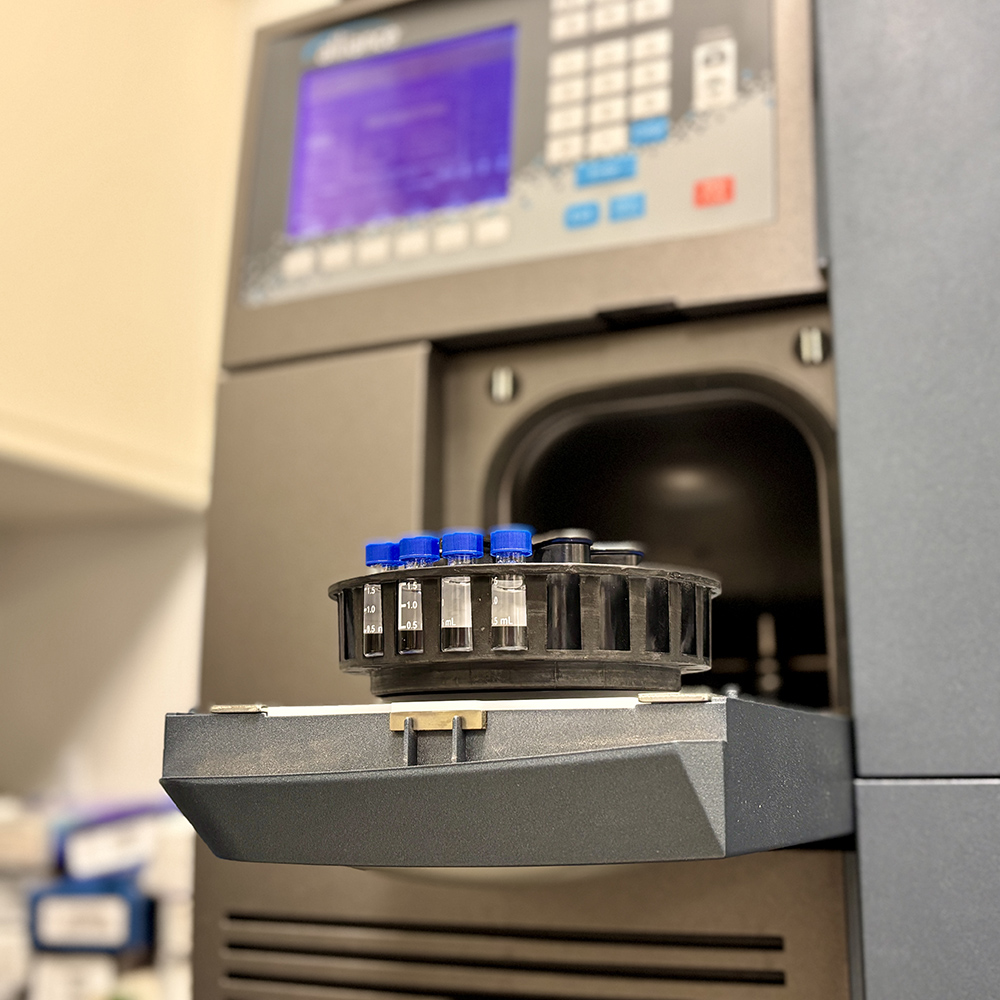
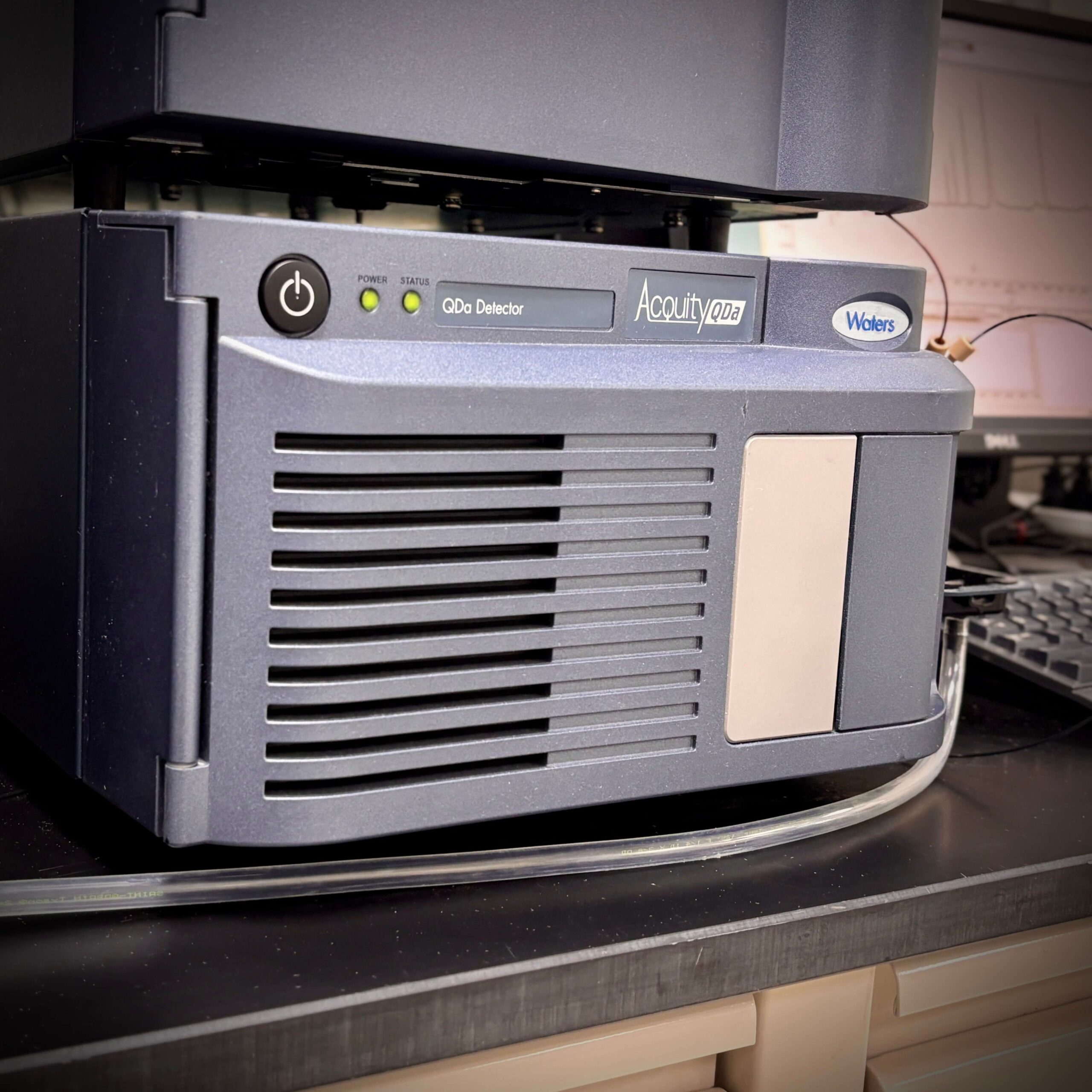
In small molecule R&D, relying solely on UV/Vis detection can lead to ambiguity, especially when dealing with unknown impurities or complex degradation profiles. At Scout Scientific, we elevate our chromatographic analysis by incorporating mass-directed detection. By utilizing the Waters QDa mass detector directly in-line with our HPLC systems, we move beyond simple retention time comparison to provide nominal mass verification for every significant peak.
Mass-Directed Method Development
The primary advantage of our LC-MS capability is “peak tracking” during the method scouting phase. When shifting mobile phase pH or gradient slopes, retention times can shift significantly. The QDa allows us to track the mass of the analyte of interest, ensuring that we are optimizing for the correct molecule even in the presence of co-eluting impurities. This drastically reduces the time required to develop stable, robust analytical methods for New Molecular Entities (NMEs).
Specialized LC-MS Capabilities
- Impurity Identification: Rapidly determine the nominal mass of unknown impurities or degradants during forced degradation studies.
- Co-elution Resolution: Utilizing mass data to identify and resolve overlapping peaks that UV detection alone might miss.
- Mass Verification of Intermediates: Confirming the identity of synthesis intermediates and starting materials for specialty chemical and discovery projects.
- In-Process Monitoring: Monitoring the progress of technical batches with mass-specific certainty.
Seamless Integration with Empower 3
Our LC-MS workflow is fully integrated into the Waters Empower 3 Chromatography Data System. Unlike standalone mass spec systems that require separate software and data silos, our mass data is captured, processed, and stored within the same secure environment as our HPLC data. This integration ensures that all mass spectral data is ALCOA+ compliant, providing a single, traceable audit trail that stands up to technical and regulatory scrutiny.
Applied Data Interpretation
Because every molecule presents unique challenges, we focus on the practical application of mass data to your specific project goals. Our Principal Scientist provides interpretive support for QDa results, helping to correlate mass data with chromatographic behavior to assist in peak identification and troubleshooting. Rather than a standalone “data dump,” we integrate mass insights into the broader analytical context of your study. This collaborative approach ensures that LC-MS data is effectively utilized to drive informed decisions during formulation and process optimization.